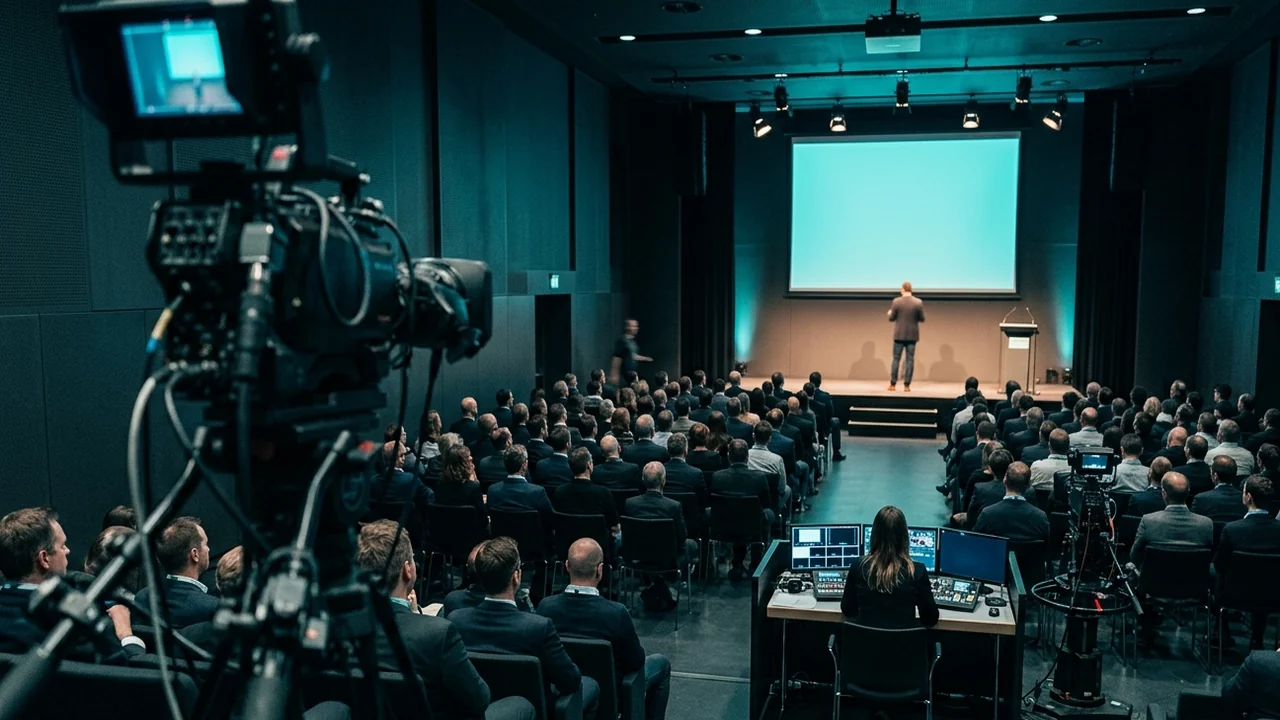
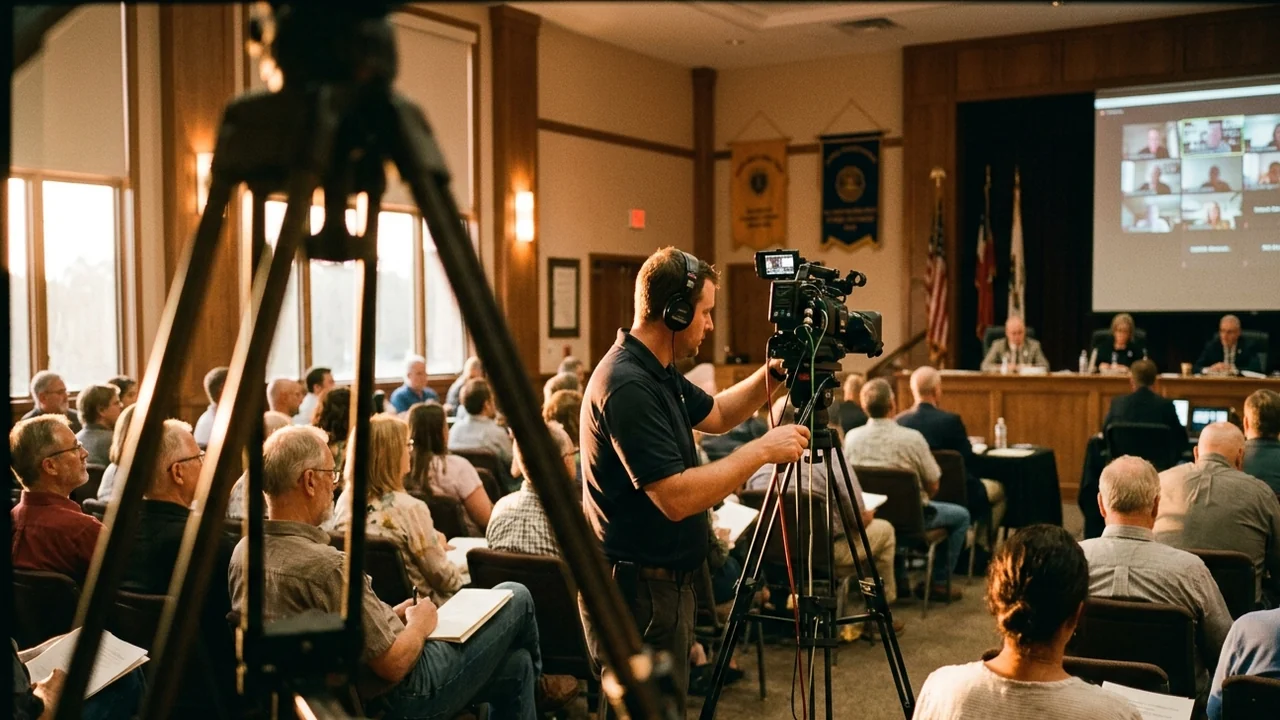
Solimar International ran three North American road shows for the Nepal Tourism Board and the Namibia Tourism Board inside sixteen months. The format was the standard one: introduce the destination, then break into fifteen rounds of five-minute meetings. In some cities the room filled. In others, in the consultancy’s own words, “less than 1/3 of the people who RSVP’d actually attend the event.”
Picture the second kind of afternoon. Suppliers who paid to be there are sitting at their tables in a hotel function room, name cards out, and there are nine buyers circulating instead of thirty. Nobody did anything wrong. The invitations went out, the venue was fine, the destination presentation landed. The format simply promised more meetings than the room could supply.
That afternoon is why the choice between a roadshow and a workshop is not a marketing decision. It is a capacity calculation, and the number it produces is meetings per supplier. Somebody at your tourism board has to justify that number: usually the market manager who, in October, has to tell sixteen suppliers why the third city is being cut from the spring tour. This guide gives her the arithmetic.
Below: what separates the four formats a destination can run, why buyer turnout rather than city count sets the ceiling, the appointment maths that no published guide sets out, and what each format costs per meeting rather than per city.
What each format actually is
Most destination marketing organisation (DMO) websites list their business-to-business formats as a set, without saying which does what. Four exist in practice, and they differ on one axis: how much travel you buy per meeting.
| Format | Where it happens | What you are buying | Typical scale |
|---|---|---|---|
| Roadshow | Several cities in one source market, consecutive days | Coverage of markets you do not yet own | 3 to 4 cities, one short session each |
| Workshop | One city, one venue, half a day to a full day | Appointment volume with buyers you already know | 15 to 100 buyers in one room |
| Sales mission | One destination, delegation format, often with an official or ministerial presence | Relationships and visibility, meetings second | 40 to 100 delegates |
| Own buyer seller show | Your destination, your venue, your revenue | Scale, and a paying exhibitor base | Hundreds to thousands |
A roadshow takes your suppliers to the buyer. A workshop brings the buyers to one room and keeps everyone there long enough for a proper appointment programme. The multi-city version is now the norm rather than the exception: the Tanzania UK Roadshow 2026 ran across several British cities on a rotating appointment system in short sessions, and the Outbound Travel Roadshow describes itself as a multi-destination, multi-city travel trade workshop covering India, Southeast Asia and the Middle East.
Both words appear in that last sentence, which is part of the problem. The industry uses roadshow and workshop loosely, and a supplier reading your prospectus cannot tell how many appointments she is buying. Name the format by its appointment structure, not its atmosphere.
The constraint is buyers in the room, not cities on the map
The instinct when a market budget grows is to add a city. It is the visible variable, it looks like ambition on a slide, and it is almost never the thing limiting your results.
Your ceiling is set by how many qualified buyers you can physically get into each room. Solimar named this directly: “Getting people to the event is always the biggest challenge of a successful road show.” A fourth city adds a fourth recruitment problem, in a market where your board has the least reach, at exactly the point in the tour when your team is most tired. Adding cities multiplies the hardest part of the job.
This is the same discipline as qualifying participants for a hosted buyer programme, and it uses the same evidence: purchasing authority, product fit, and a real reason to be in the room. If you have never formalised those criteria, the checklist in our guide on how to qualify hosted buyers transfers directly to a roadshow invitation list.
Two practical consequences follow. First, build your buyer target per city from named companies rather than from a percentage of a mailing list, because a list of two hundred contacts in Bucharest tells you nothing about how many will cross the city on a Tuesday afternoon. Second, plan an attendance assumption explicitly and write it down. If your working assumption is that seventy per cent of confirmed registrations appear, say so in the plan, then measure it and correct it after the first tour. An unwritten assumption cannot be wrong, which is exactly what makes it dangerous.
The cities are the easy part.
The capacity calculation nobody publishes
Once you know how many buyers will be in the room, the second number is how many appointments the session can physically hold. This is arithmetic, and every travel trade guide we could find skips it.
Take a three-hour session, the standard shape of a roadshow stop. Atout France runs its United States roadshow as three workshops of three hours each. Subtract fifteen minutes for the destination presentation and a break, and you have 165 minutes of appointment time. Now divide by the appointment length plus the changeover, because people do not teleport between tables. Two minutes is realistic in a function room.
One three-hour session
Appointments per supplier by appointment length
The spread is the whole argument. Moving from eight-minute to twenty-five-minute appointments does not slightly reduce your programme, it cuts it by more than half. Brand USA states the reasoning openly for its 2026 Travel Week in Amsterdam, where sessions run fifteen minutes each so that participants can reach up to fifteen matched one-to-one appointments per day: shorter slots exist to fit more meetings in.
Then apply the ceiling from the previous section. Sixteen slots and nine buyers is nine meetings.
That sentence is the one to take into your planning meeting. Appointment length sets what the format can produce; turnout sets what it will produce; and the smaller of the two numbers is your answer. A tight eight-minute grid in a half-empty room is not a fast programme, it is a supplier watching an empty chair sixteen times.
What the ceiling looks like at scale
It helps to see both ends of the range, because the published figures for large travel trade events are the clearest evidence of what the appointment model can do when the buyer side is genuinely full.
Two ends of the same model
What published travel trade formats deliver
Rendez-vous en France works out at roughly thirty-four meetings per buyer and forty per exhibitor across two days. That is the upper bound of what a pre-scheduled appointment model produces, and it takes 817 buyers from 62 countries to get there. VisitBritain’s Destination Britain Americas trade mission sits at the other end: 53 British suppliers, 47 international buyers, three days, near parity. Neither number is a target for a roadshow. They are the boundary markers of the same mechanism, and your format sits somewhere between them.
Two things travel with scale. Large formats publish their appointment counts, and small ones almost never do. That is not modesty, it is usually because nobody measured. If your suppliers cannot find out how many meetings last year’s tour produced, they are pricing your prospectus on faith.
Cost per meeting, not cost per city
Now the number your market manager actually needs in October. Atout France is the only body in this category that publishes its participation prices, which makes its calendar the one usable anchor for the whole discussion.
For the Central Europe roadshow, the 2026 annual calendar lists 1,500 euros net for one city, 2,800 for two, 3,500 for three and 4,150 for four. The degression is steep: the second city costs 1,300 and the fourth only 650. On a price list, the fourth city looks close to free.
Run it through the capacity maths and it stops looking free. Assume fifteen-minute appointments and the nine slots per session calculated above.
- Four cities that all fill: 36 meetings for 4,150 euros, which is 115 euros per meeting.
- Four cities where two of them deliver a third of the expected buyers: 9 plus 9 plus 3 plus 3, so 24 meetings for the same 4,150 euros, which is 173 euros per meeting.
- One workshop, full day, two sessions, in the city you recruit best: 18 meetings for 1,500 euros, which is 83 euros per meeting.
Those are illustrations built on a published price list and published appointment lengths, not a benchmark, and your own attendance rate will move them. The shape holds regardless. The roadshow produces more total meetings when every city fills and becomes the expensive option the moment two of them do not. The workshop produces fewer meetings and almost never disappoints, because you are recruiting in one market instead of four.
Which is why the market manager cutting the third city is often right, and why she needs this table rather than an apology. Reach is not the same as meetings.
For the wider set of figures that belong on a post-event report, our key performance indicator framework for tourism trade shows sets out which numbers survive contact with a board and which do not.
Choosing between them: four questions in order
The decision is easier than it looks once the questions run in the right sequence, because each one produces a number the next one needs.
The decision
Four questions, in this order
- Question 1 Reach or depth? New source markets where nobody knows you point to a roadshow. Established markets where your suppliers need contract conversations point to a workshop. Answer this before anyone mentions a city.
- Question 2 How many buyers per city, honestly? Build the target from named companies with purchasing authority, then apply a written attendance assumption. This number, not the budget, decides how many cities you can carry.
- Question 3 How many appointments does the session hold? Usable minutes divided by appointment length plus changeover, then capped by the buyer count from question two. The smaller of the two is your real programme.
- Question 4 What does that cost per meeting? Divide the participation price by expected meetings, not by cities. Publish the figure in your prospectus. Suppliers who can calculate their own return rebook without being chased.
Question four is the one most boards skip, and it is the one that changes behaviour. A supplier who has been told a stand costs 3,500 euros is being asked to trust you. A supplier who has been told the tour has produced an average of 115 euros per qualified meeting for the last two years is being given something to take to her own finance director.
The roadshow’s second job
There is one more reason to run a roadshow that has nothing to do with the meetings held in the room, and it is easy to miss when you are evaluating the format on its own terms.
A roadshow is the most effective buyer recruitment instrument a destination has for its own event. A two-hour briefing in the source market, in the local language, converts better than any email sequence, which is why we treat it as a recruitment channel in the guide on attracting international buyers to a tourism trade show. The people who spend an afternoon with your suppliers in Bucharest in March are the people who register for your own show in November.
That reframes the cost per meeting calculation above, without invalidating it. If your spring roadshow also fills a third of the hosted buyer places at your autumn event, the tour is carrying two budgets and should be judged on both. Say so internally before the finance review, not during it.
It also raises a practical point that the multi-city format makes unavoidable: a roadshow happens in the buyer’s market, which means it happens in the buyer’s language. Whether you handle that with interpreters, bilingual staff or language pairing in the appointment system is a planning decision with real cost implications, and we work through the options in our guide on running multilingual buyer and seller meetings.
Solution: the reason so few destinations can quote a cost per meeting is that roadshow appointments usually live in a spreadsheet per city, with no single record of who accepted what. Converve handles a multi-city tour as one meeting matrix: capacity limits per person, per session and per city, buyer qualification collected in the registration form so the matching has something to work with, and a waiting list per location so a cancellation two days out becomes a filled slot rather than an empty chair. Every appointment stays an auditable record, which is what turns next year’s prospectus into a number rather than a promise. You can see how the matching layer works on our tourism solutions page.
Conclusion
A roadshow buys markets and a workshop buys meetings, and the format you choose sets your appointment volume before your team sends a single invitation. Work the numbers in order: reach or depth, buyers per city, appointments per session, cost per meeting. Three of those four are arithmetic, and the one that is not, buyer turnout, is the one worth your team’s whole attention.
The tourism board that can tell its suppliers what a meeting costs on each format is not just better organised. It is easier to sell to, easier to rebook, and considerably harder to cut from a supplier’s marketing budget. The market manager who removes the third city and shows the maths has done a better job than the one who kept it.
If you want to see how a multi-city appointment programme works as a single meeting matrix, or what a cost per meeting figure looks like when the appointments are recorded properly, get in touch with our team.
Frequently asked questions
What is the difference between a travel trade roadshow and a workshop?
A travel trade roadshow takes a destination’s suppliers to several cities in one source market, with a short round of pre-scheduled appointments at each stop. A workshop keeps everyone in one venue for a longer appointment programme. The roadshow produces more market coverage per trip and the workshop produces more meetings per supplier, because appointment volume depends on session length and buyer turnout rather than on the number of cities visited.
How many appointments should a roadshow session include?
Take the usable session time and divide it by the appointment length plus roughly two minutes of changeover, then cap the result at the number of buyers actually present. In a three-hour session with fifteen minutes given to the destination presentation and a break, that is about sixteen appointments at eight minutes each, nine at fifteen minutes, or six at twenty-five minutes. Published appointment lengths in the sector range from eight minutes at OMCA Marketplace to fifteen at Brand USA Travel Week 2026 and twenty-five in pod formats.
What does it cost to take part in a tourism roadshow?
Atout France is one of the few national bodies publishing prices. Its 2026 calendar lists the Central Europe roadshow at 1,500 euros net for one city, 2,800 for two, 3,500 for three and 4,150 for four, with the Mountain and Ski roadshow in the Gulf states at 3,450 euros and the ASEAN tour at 7,400 euros including accommodation. The more useful figure for a supplier is the participation price divided by the meetings actually delivered, which most organisers do not publish.
How many buyers do you need for a workshop to work?
Enough that every supplier’s appointment grid can be filled, which means at least as many buyers in the room as there are slots in a supplier’s session. Published formats bracket the range: Destination Britain Americas 2025 paired 53 suppliers with 47 buyers, while Rendez-vous en France 2025 brought 817 buyers to 704 exhibitors and produced 28,144 meetings in two days. Below parity, suppliers spend part of the session waiting.